If you are torn between the 2026 Ram 2500 and the Chevy Silverado 2500, you are likely looking for a truck that can handle abuse. While both are “heavy duty,” they are built on completely different engineering philosophies.
The Chevy Silverado 2500 relies on an Independent Front Suspension (IFS), similar to what you find on half-ton trucks. The Ram 2500 uses a Solid Front Axle, a design preferred for extreme durability.
At Sidney CDJR, we believe in building trucks for the long haul. Here is why the Ram 2500’s architecture often outlasts the competition in heavy-duty applications.
Front Suspension: IFS vs. Solid Axle
This is the most critical mechanical difference between these two trucks.
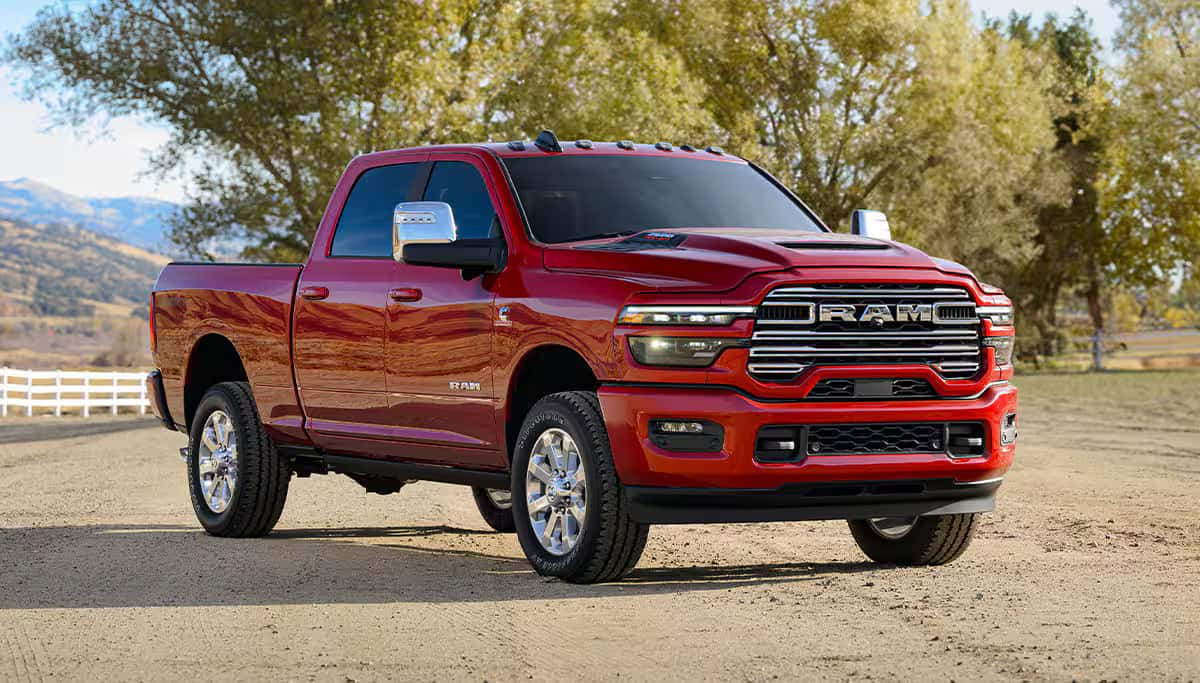
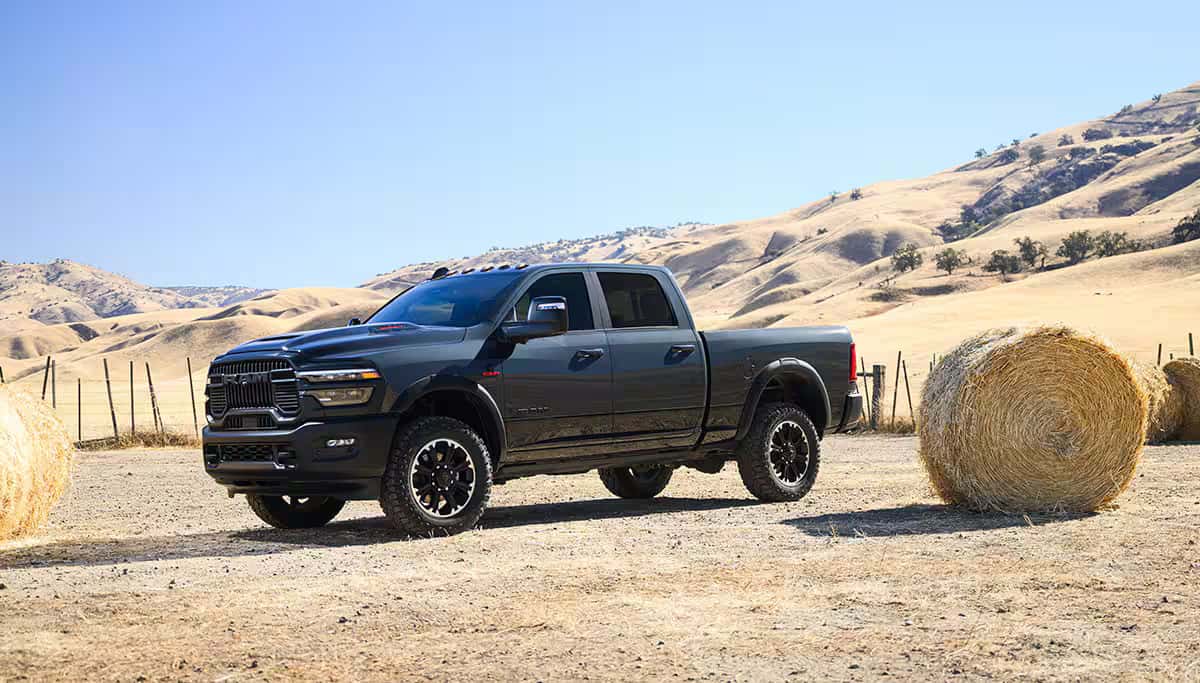
Ram 2500
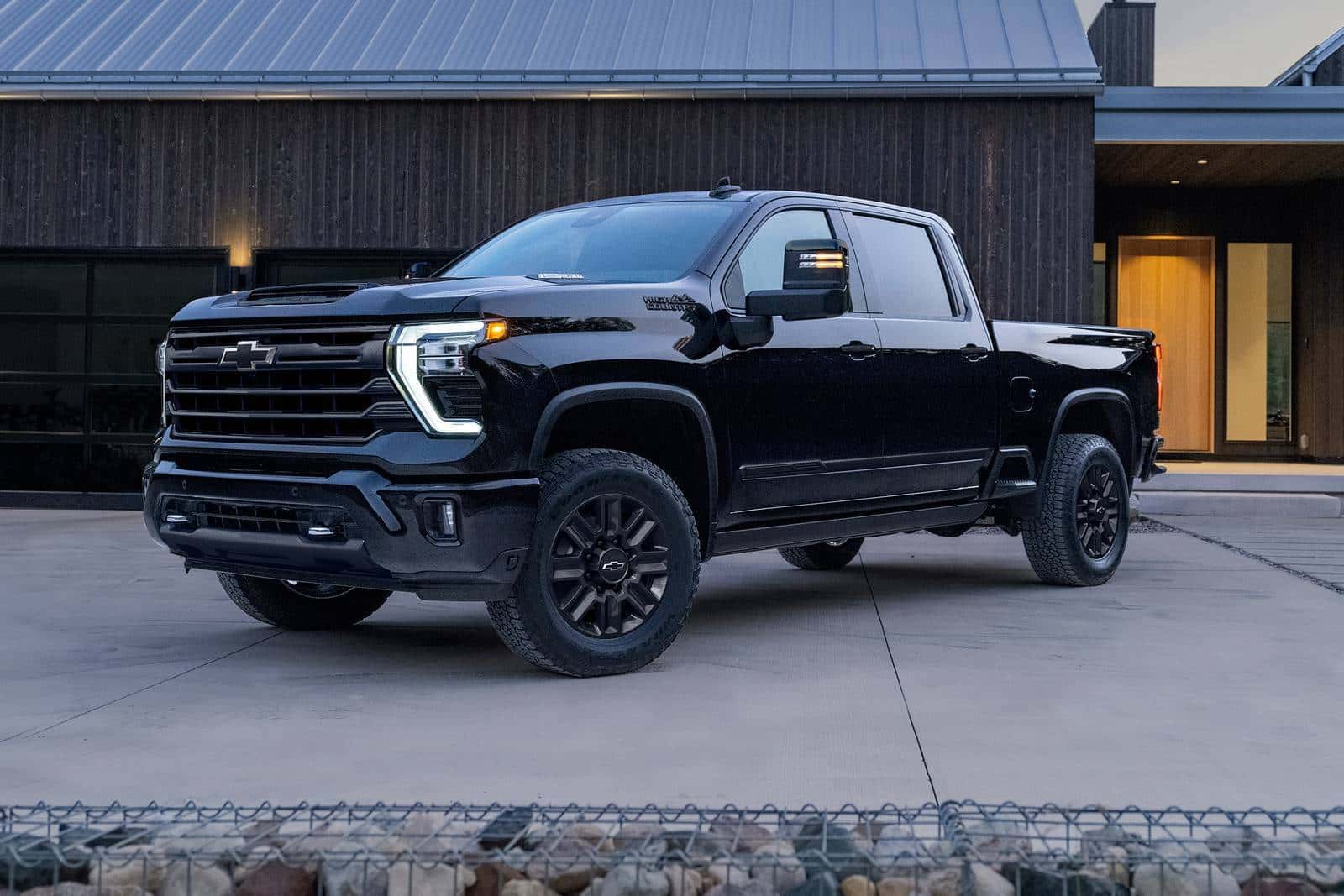
Silverado 2500
Ram 2500 (Solid Axle): Uses a solid beam connecting both front wheels.
Pros: Incredible strength. Fewer moving parts mean less maintenance over 100,000+ miles. It maintains consistent ground clearance and alignment, even when plowing snow or traversing rough job sites.
Cons: You may feel more feedback in the steering wheel on rough roads.
Chevy Silverado 2500 (IFS): Uses control arms and CV joints for the front wheels.
Pros: Slightly smoother ride on highway expansion joints.
Cons: More moving parts (CV boots, ball joints) that are prone to wear, especially if you add a lift kit or a heavy snowplow. The alignment can shift more easily when hitting potholes under load.
The Verdict: If you plan to plow snow, drive off-road on farms, or keep your truck for 10 years, the Ram 2500’s solid axle is the superior choice for longevity.
Diesel Engine Architecture: V8 vs. Inline-6
The engine battle is just as distinct.
Chevy Duramax (V8): A 6.6L V8 Turbo Diesel. It uses a “Hot-V” configuration. While powerful, the V8 design is complex, with two cylinder heads and more valvetrain components.
Ram Cummins (I-6): A 6.7L Inline-6 Turbo Diesel. This industrial design is used in semi-trucks and heavy machinery worldwide.
Why Inline-6? With all cylinders in a row, the engine is naturally balanced. It produces peak torque at lower RPMs than a V8, meaning the engine doesn’t have to work as hard to move the same load. This reduces internal wear and improves fuel efficiency while towing.
Interior & Cargo Tech
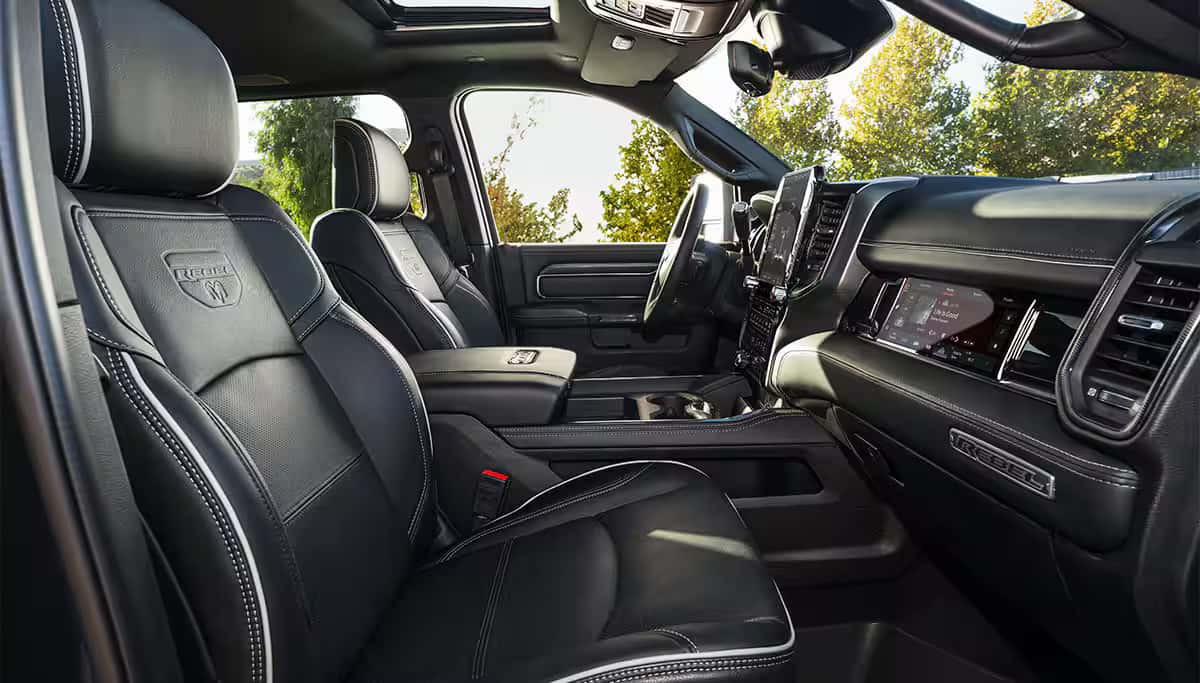
Chevrolet has improved their interior, but Ram still holds the title for innovation.
Rear Suspension: While Chevy uses traditional leaf springs that can be harsh when empty, the Ram 2500 features a 5-Link Coil Rear Suspension. This setup controls the axle better, reducing the “skipping” feeling you get in a Silverado on bumpy country roads.
RamBox® System: Ram offers the class-exclusive RamBox® Cargo Management System, which are lockable, drainable storage bins built into the bed rails. Chevy has no direct competitor to this feature, which is invaluable for storing tools, hitch receivers, or wet gear.
Why Buy the Ram 2500?
The Silverado 2500 is a good truck, but the Ram 2500 is built like a piece of heavy machinery. From the solid front axle to the Cummins inline-6 engine, every component is designed for maximum durability and simplicity.
Don’t settle for a light-duty design in a heavy-duty wrapper.
This vehicle is being built now. Contact dealer to reserve this vehicle and discuss options for locking in pricing and eligible incentives.
Vehicles identified as “Being Built” are pre-production vehicles that are not yet on the dealer’s lot or in transit. Pre-production computer-generated images may be shown and may not be representative of the vehicle listed.
MSRP for standard equipment plus optional equipment listed. Vehicle delivery date and other vehicle information, including pricing and incentives, are subject to change until the vehicle build is complete.
MSRP excludes additional charges including without limitation any delivery fees, government fees and taxes, title and registration fees, finance, filing and processing charges, emission testing charge, accessories and upfits.